
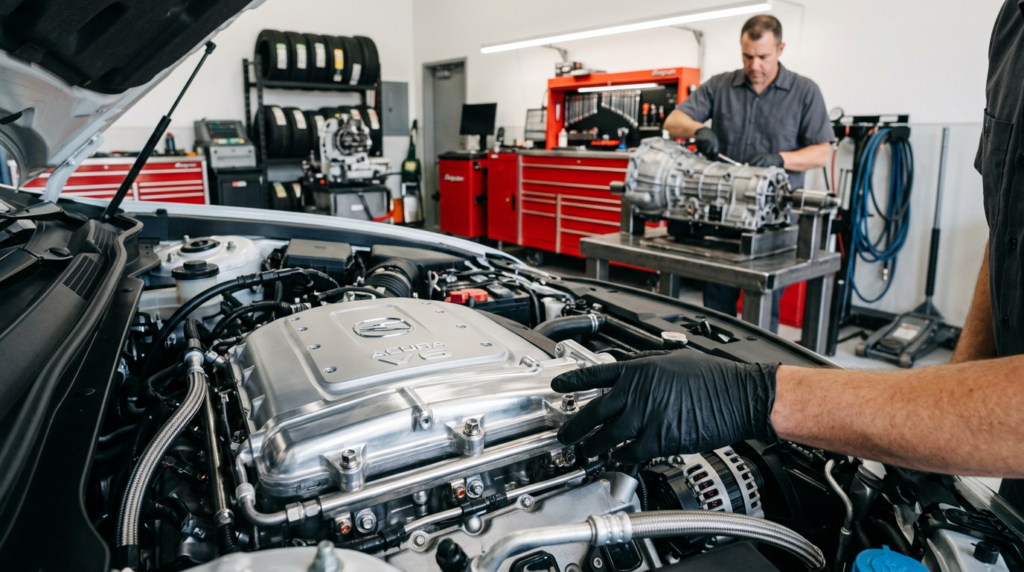
A rough idle, delayed shift, or vibration during acceleration may make you wonder whether your Acura needs major repairs. The first step is finding the cause. Similar symptoms can come from different systems, and replacing parts without testing can leave the original problem unresolved.
GT Automotive provides Acura engine and transmission diagnostics and repairs in South Jordan, UT. Our ASE-certified technicians use advanced diagnostic equipment to investigate your concerns, explain the findings, and recommend the work your vehicle needs.
Call (801) 695-9092 to schedule an assessment.
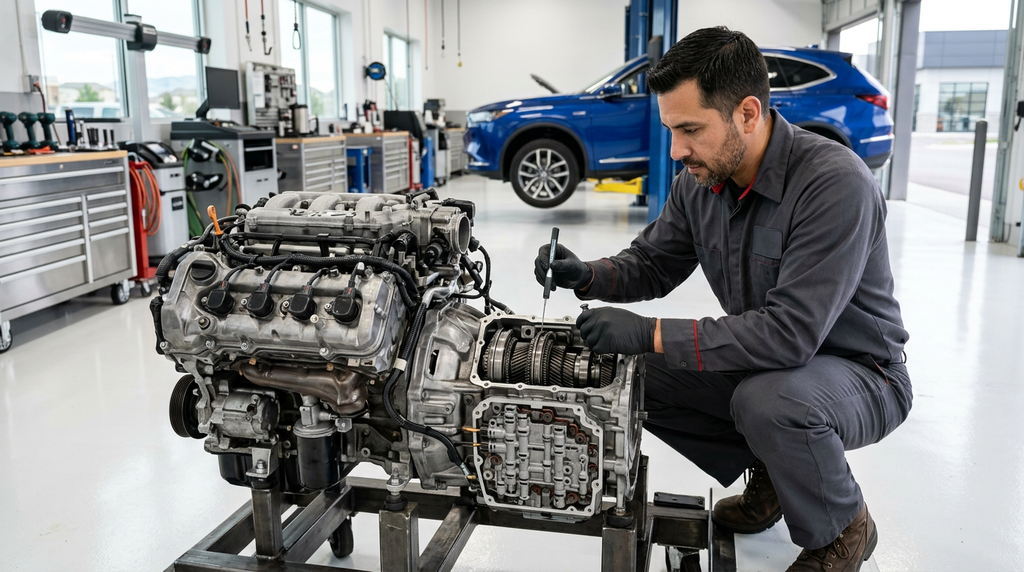
Why Acura Engine and Transmission Repairs Need a Model-Specific Approach
Acura powertrains vary by model and production year. Engine design, transmission type, and drivetrain equipment affect both diagnostics and maintenance requirements.
For example, the 2018 RDX used a V6 engine, while the redesigned 2019 RDX introduced a turbocharged 2.0-liter four-cylinder engine and a 10-speed automatic transmission. That change matters when investigating power loss, unusual sounds, or shifting concerns.
At GT Automotive, we start with your Acura’s model, year, equipment, service history, and symptoms. Those details help us choose the appropriate tests and interpret the results.
Engine Warning Signs Worth Checking
Engine problems don’t always start with a breakdown. You may notice a small change in how your Acura starts, idles, or accelerates.
Signs that deserve an inspection include:
- Rough running or repeated hesitation
- A check engine light
- Oil or coolant leaks
- Rising engine temperature
- Unusual knocking or rattling
- Reduced power
- Trouble starting
These symptoms can have several causes. A rough idle, for example, may involve ignition, fuel delivery, an air leak, or a mechanical concern. Testing helps determine which explanation fits your vehicle.
If your Acura overheats, displays an oil-pressure warning, or develops severe knocking, stop safely and arrange assistance.
How We Diagnose Acura Engine Problems
A fault code gives us a starting point. It does not automatically tell us which part needs replacement.
Our technicians combine stored fault information with inspection findings and targeted testing. Depending on the concern, the assessment may include:
- Reviewing when and how the symptom occurs
- Inspecting visible leaks and electrical connections
- Checking ignition and fuel-system operation
- Testing the cooling system
- Assessing cylinder compression when appropriate
- Comparing operating data with vehicle specifications
We explain what the testing shows and whether further inspection is needed before establishing the repair scope.
Oil Leaks and Oil Consumption
Oil leaking onto the ground and oil being consumed inside the engine require different investigations.
We look for the source of an external leak and consider your description of oil use between services. Tell us whether you have noticed spots beneath the vehicle, smoke, a burning smell, or a warning light. Those details help guide the inspection.
Cooling System and Head Gasket Concerns
Coolant loss or overheating does not automatically mean a head gasket has failed. Hoses, radiators, water pumps, fans, and other cooling-system components can also cause problems.
We inspect the system and perform appropriate tests before recommending repairs. If testing confirms a head gasket issue, we identify the cause of the failure to determine the next step.
Timing Belt Maintenance
Timing belt requirements depend on your Acura’s engine and model year. For example, the 2018 MDX maintenance information includes timing belt replacement and water pump inspection under Maintenance Minder sub-item 4. That requirement doesn’t apply to every Acura engine.
We review the instructions and service history for your specific vehicle before recommending timing-system work.
Acura Transmission Symptoms and What They Can Mean
A shudder, delayed engagement, or rough shift can feel like a serious transmission problem. However, engine misfires, worn mounts, and other drivetrain issues can cause similar symptoms.
Symptoms worth discussing include:
- A delay when selecting Drive or Reverse
- Shuddering during acceleration
- Harsh or inconsistent shifts
- Engine speed rising without matching acceleration
- Transmission fluid leaks
- Unusual noises while driving
Tell us whether the concern happens when the vehicle is cold, after warming up, or during a particular shift. That information helps us plan the assessment.
Transmission Service Versus Transmission Repair
Scheduled fluid service and repairs address different needs.
A fluid service follows the maintenance requirements for the installed transmission. A repair addresses a fault identified through testing. Fluid maintenance can’t fix internal damage, and a shifting complaint doesn’t automatically justify replacing the transmission.
We inspect the vehicle, review relevant service information, and explain which approach the findings support.
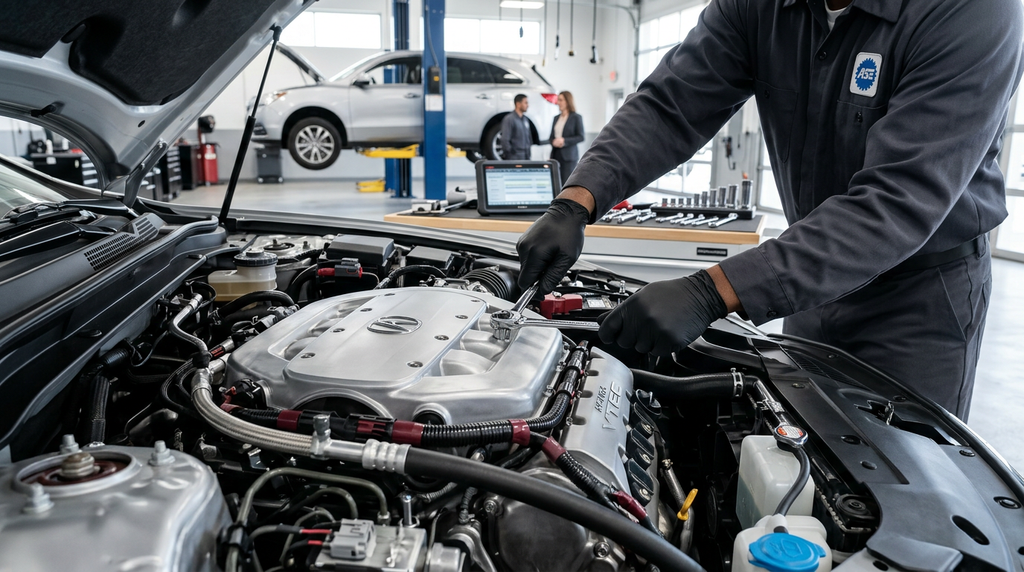
Acura Model-Specific Engine and Transmission Considerations
Knowing the model name is only the beginning. The production year, engine, and installed transmission help determine which maintenance requirements and diagnostic information apply.
MDX: Shuddering During Acceleration
Certain 2012–2015 MDX vehicles were covered by an Acura service bulletin addressing a driving shudder associated with deteriorated transmission fluid. The bulletin describes a condition that could be mistaken for a failed torque converter and requires confirmation before applying the specified corrective procedure.
This is a useful example of why testing matters. An MDX with a shudder needs an assessment of its exact symptoms and vehicle information before a major repair decision.
RDX: Power Loss and Engine Performance Changes
Because RDX engines differ across generations, hesitation or power-loss complaints need testing suited to the installed engine.
For a turbocharged RDX, the diagnostic plan may include checking intake and boost-related operation alongside ignition, fuel delivery, and fault information. For a different engine configuration, the relevant checks may change. The symptoms and test results guide the work.
TLX and Integra: Shifting and Acceleration Concerns
If your TLX or Integra hesitates, shifts differently, or vibrates under load, we identify its engine and transmission configuration before testing.
We determine whether the complaint occurs during engine operation, gear changes, or at road speeds. That helps distinguish an engine-performance issue from a transmission or other drivetrain concern.
Older TL, TSX, and Other Acura Models
Older vehicles benefit from a review of both current symptoms and past maintenance.
A leak, rough idle, or delayed shift may require electrical testing, a fluid-system inspection, or mechanical checks. We also consider parts availability when discussing the scope and timing of an approved repair.
Electrical Problems Can Affect Engine and Transmission Operation
Engine and transmission controls rely on accurate electrical signals. Wiring faults, poor connections, charging problems, and sensor issues can affect how the vehicle runs or shifts.
Our technicians test the relevant circuits and components when the symptoms point to an electrical concern. We explain what the findings mean before recommending replacement parts.
If your Acura has recently had a battery replacement, jump-start, or electrical repair, mention it when booking. That history may help guide the diagnosis.
Planning Your Acura Service Visit in South Jordan
South Jordan’s winter temperatures can make a cold start or temperature-sensitive shifting issue easier to notice. If the problem disappears after the vehicle warms up, tell us when scheduling.
An intermittent or cold-only fault may require leaving your Acura long enough for the symptom to occur during testing. We’ll discuss appointment arrangements and the expected diagnostic process with you.
When booking, provide:
- Your Acura’s model and year
- The symptoms and any warning messages
- When the concern occurs
- Recent repairs or available service records
- Any transportation needs
GT Automotive offers loaner vehicles by appointment. Ask about availability when arranging your visit.
What to Expect From Your Repair Recommendation
Before approving work, you should understand what was found and what the proposed repair addresses.
Our team explains the diagnostic findings, recommended work, and any remaining questions. Repair timing depends on the job’s scope and parts availability. Some concerns require additional inspection before we can provide a complete estimate.
GT Automotive backs its repairs with a warranty. Ask about the coverage that applies to your service.
Frequently Asked Questions About Acura Engine and Transmission Repair
Why does my Acura shudder when accelerating?
Possible causes include engine-performance issues, worn mounts, transmission concerns, or other drivetrain faults. We assess when the shudder occurs and test the relevant systems to identify its source.
Can an engine problem feel like a transmission problem?
Yes. Rough engine operation can produce hesitation or vibration that feels like a shifting concern. Diagnosis helps separate engine faults from transmission problems.
How often does my Acura need transmission fluid service?
The correct schedule depends on your model, year, transmission, and driving conditions. We review the applicable maintenance information and your service history rather than using one interval for every Acura.
Do you repair older Acura models?
We work on many older Acura vehicles. Call with your model, year, and symptoms so we can confirm the scope of work and discuss any parts considerations.
Schedule Acura Engine or Transmission Service
A clear diagnosis helps you decide what your Acura needs next. Whether you’re dealing with a warning light, fluid leak, rough running, or shifting issues, GT Automotive can assess the concern and explain your options.
We serve South Jordan and nearby communities, including Riverton, Bluffdale, Herriman, Draper, and Sandy.
Call (801) 695-9092 or schedule your appointment online. Ask about a loaner vehicle when booking.