
RADIATOR REPAIR IN SOUTH JORDAN, UT
Your cooling system protects your engine from overheating, and if a radiator leak develops, immediate action is essential. Whether you need radiator leak repair, repairing a cracked radiator, or a full radiator flush service, we follow manufacturer-level procedures to restore proper engine temperature and long-term reliability.
Call GT Automotive at (385) 853 5275 or schedule your radiator repair service online today.
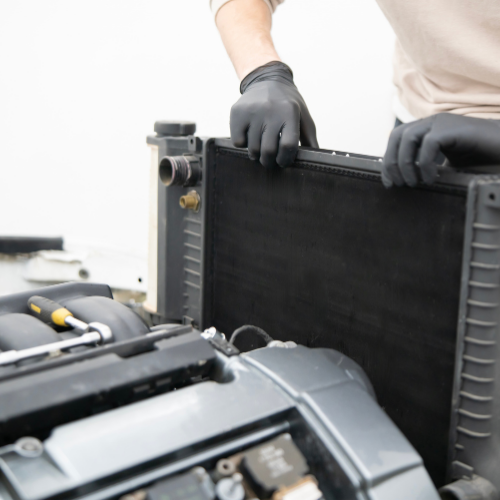
RADIATOR SERVICE AND REPAIR AT GT AUTOMOTIVE
Your radiator regulates engine temperature by circulating coolant through the engine and dissipating heat. When that system fails, even slightly, the consequences escalate quickly.
At GT Automotive, every radiator repair begins with complete cooling system diagnostics. We identify whether you need:
- Repairing a leaking radiator
- Crack in radiator repair
- Repair radiator hose or piping
- Radiator engine flush
- Radiator leakage repair
- Full automobile radiator repair
- Radiator replacement when necessary
Our radiator repair service includes:
- Pressure testing to confirm leak location
- Inspection of radiator tanks, seams, and connections
- Repair radiator crack when structurally safe
- Radiator flush services to remove corrosion
- Coolant system refill using manufacturer specifications
- Documentation of findings and warranty-backed repairs
This approach reduces mechanical risk and protects engine longevity.
TYPES OF RADIATOR REPAIR SERVICES WE OFFER
Choosing the right repair depends on the severity of the damage, the vehicle type, and the manufacturer’s design. We offer complete car radiator repair services, including:
A radiator leak may start small, but it rarely stays that way. Even minor coolant loss can lead to overheating, warped cylinder heads, or complete engine failure if ignored.
Common Signs You Have a Radiator Leak
Sweet smell coming from under the hood
Puddles of green, orange, or pink fluid under your vehicle
Low coolant warning light
Engine overheating
Visible corrosion or wet spots on the radiator
Steam from the engine bay
If you’re topping off coolant more than once every few months, you likely have a leak.
What Causes Radiator Leaks?
Corrosion inside the radiator core
Cracked plastic tanks
Loose or deteriorated hose connections
Impact damage (road debris, minor collisions)
Faulty radiator cap
What We Do During a Leak Repair
Perform a cooling system pressure test
Identify the exact leak source
Inspect hoses, clamps, and fittings
Repair or replace damaged components
Refill coolant and test system operation
Depending on severity, we may seal small leaks or recommend component replacement if structural damage is present.
A cracked radiator is more serious than a minor leak, especially if the crack is in the tank or core.
Signs of a Cracked Radiator
Rapid coolant loss
Visible crack in plastic tank
Persistent overheating
White exhaust smoke (in severe cases)
Engine misfiring due to overheating
What Causes Radiator Cracks?
Extreme temperature fluctuations
Aging plastic tanks
Collision damage
Excessive pressure from a failed radiator cap
Internal corrosion weakening the core
Our Repair Process
We assess:
Location of the crack
Size and depth
Radiator material (aluminum vs plastic tank)
Overall condition of the cooling system
Minor cracks may be repairable. Larger structural damage typically requires replacement to ensure reliability and prevent repeat failures.
Why Acting Quickly Matters
Driving with a cracked radiator can cause:
Engine overheating
Head gasket failure
Warped engine components
Costly engine repairs
Fixing a cracked radiator early is dramatically less expensive than replacing an engine.
Over time, coolant breaks down and becomes contaminated. Rust, scale, and debris build up inside the system, restricting flow and reducing cooling efficiency.
A radiator flush removes this buildup and restores proper circulation.
Signs You Need a Radiator Flush
Engine running hotter than normal
Brown or rusty coolant
Sludge in coolant reservoir
Heater not working properly
Coolant hasn’t been changed in 2–5 years
What Happens During a Radiator Flush
Drain old coolant
Flush system with cleaning solution
Remove debris and buildup
Refill with manufacturer-recommended coolant
Bleed air from system
Test operating temperature
Why This Service Matters
A flush:
Prevents corrosion
Improves cooling performance
Extends radiator life
Protects water pump and thermostat
Improves heater efficiency in winter
Hoses and pipes move coolant between the engine and radiator — and when they fail, overheating happens fast.
Signs of Failing Hoses or Piping
Bulging or swollen hoses
Cracks or dry rot
Coolant dripping near hose connections
Steam from engine
Temperature gauge rising suddenly
What Causes Hose Failure?
Heat cycling
Age and rubber breakdown
Oil contamination
Improper coolant mixture
Loose clamps
Hoses typically last 4–6 years. After that, failure risk increases significantly.
What We Do
Inspect upper and lower radiator hoses
Check clamps and fittings
Test for soft spots or weak areas
Replace worn hoses with high-quality components
Pressure test system after repair
Why This Is Urgent
A blown radiator hose can:
Dump all coolant in minutes
Cause rapid overheating
Leave you stranded
Replacing hoses proactively is far cheaper than emergency roadside breakdowns.
AUTO RADIATOR REPAIRS FOR ALL MAKES AND MODELS
If your vehicle needs car radiator repair, we have the experience and diagnostic tools to perform it correctly.



FREQUENTLY ASKED QUESTIONS ABOUT RADIATOR REPAIR
How do I know if I need radiator leak repair?
Common signs include coolant puddles, engine overheating, low coolant warnings, or visible cracks. If you suspect a radiator leak, it is best to schedule an inspection immediately.
Can you repair a leaking radiator instead of replacing it?
In many cases, yes. Repairing radiator leaks is possible when damage is localized, and the radiator structure remains sound. Severe corrosion or large cracks may require replacement.
How long does radiator repair take?
Most radiator repair services can be completed the same day, depending on parts availability and the severity of damage.
Do you offer radiator flush services near me?
Yes. We provide radiator flush and radiator engine flush services to remove buildup and extend the life of the cooling system.
Is your radiator repair work warrantied?
Yes. All auto radiator repairs and car radiator repairs are backed by our service warranty.
BOOK AN APPOINTMENT FOR PROFESSIONAL RADIATOR REPAIR
GT Automotive provides expert radiator repair in South Jordan using advanced diagnostics, factory-trained technicians, and documented repair processes. Concierge pickup and loaner vehicles are available for qualifying services.
Call GT Automotive today or schedule your radiator repair service online.