
Wheel Alignment & Steering Repair in South Jordan, UT
Wheel alignment and steering performance can impact safety, handling, and tire life. GT Automotive provides professional wheel alignment and steering repair in South Jordan, Utah, serving drivers throughout Salt Lake County. If your vehicle pulls to one side, the steering wheel is off-center, or handling feels unstable, these systems should be inspected before tire wear or safety issues worsen. We service all makes and models, with specialized experience in Japanese vehicles and manufacturer-based repair standards.
Call GT Automotive at (801) 695-9092 or schedule your repair online.
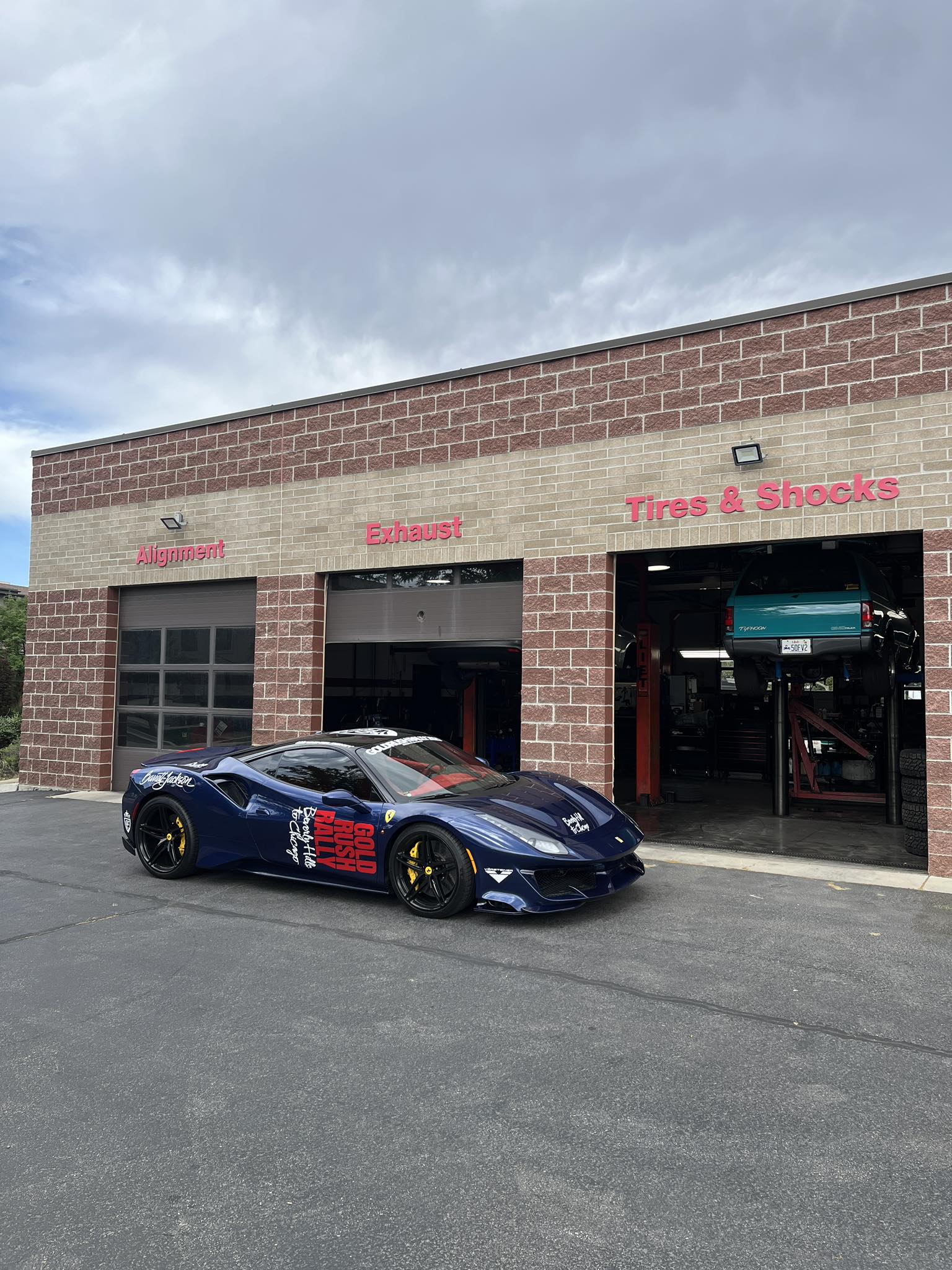
Alignment and Steering Diagnostics
Handling concerns often involve more than one system, which is why proper diagnostics are essential before any adjustments or repairs are performed. At GT Automotive, we begin with a focused inspection to determine whether the issue is related to wheel alignment, steering components, or both.
Our diagnostic process includes:
Measuring alignment angles against manufacturer specifications
Performing an alignment check to verify caster, camber, and toe
Inspecting steering components for looseness or wear
Evaluating steering response and on-center feel
Reviewing tire wear patterns for uneven or accelerated wear
Road testing when necessary
This approach allows us to identify steering problems, alignment issues, and early causes of tire wear before recommending service.
How Alignment and Steering Affect Tire Wear and Safety
Alignment and steering systems work together. When either system is compromised, tire wear accelerates and vehicle stability is reduced.
Common issues include:
Premature tire replacement
Steering wheel vibration at highway speeds
Increased steering effort
Reduced control during turns or lane changes
Common uneven tire wear causes include poor alignment, worn steering components, and unresolved steering issues. Addressing these problems early improves safety and reduces long-term costs.
Our Alignment and Steering Services
These services address common handling concerns such as pulling, uneven tire wear, and steering response problems.
Wheel alignment ensures your tires meet the road at the correct angles based on factory specifications. For many drivers, this alignment service answers the question of what wheel alignment is and why it matters. Even small deviations can lead to poor handling and rapid tire wear.
An auto alignment service may be recommended if:
The vehicle pulls left or right while driving
The steering wheel is not centered
Tires show uneven or accelerated wear
Front-end or steering components were replaced
The vehicle struck a curb or pothole
Correct alignment helps extend tire life, improve straight-line tracking, and maintain predictable handling.
The steering system allows precise control of vehicle direction. Wear or failure in steering components can cause looseness, vibration, delayed response, or inconsistent handling.
Steering repair may involve:
Tie rod and steering linkage replacement
Steering rack inspection and service
Power steering system diagnosis
Fluid leak detection and correction
Proper steering system repair restores control and ensures alignment settings remain stable over time.
Alignment and Steering Service for All Makes and Models
GT Automotive provides wheel alignment and steering repair for domestic and import vehicles. While we specialize in Japanese-made vehicles, our services apply across manufacturers. We regularly service Toyota, Honda, Subaru, Lexus, Nissan, and Mazda, as well as Ford, Chevrolet, GM, RAM, and Jeep. Our experience also includes luxury vehicles, performance models, and high-mileage daily drivers.




Specialty Considerations for Japanese Vehicles
Many Japanese vehicles use precise steering geometry and manufacturer-specific alignment specifications. Some models rely on electronic steering components that require calibration after repairs.
Special considerations may include:
Subaru all-wheel-drive alignment requirements
Lexus electronic steering calibration
Manufacturer-specific torque and adjustment values
Following exact specifications ensures alignment and steering repairs hold properly.
Frequently Asked Questions About Wheel Alignment and Steering Repair
What are the signs of bad alignment?
Signs of bad alignment include uneven tire wear, vehicle pulling, steering wheel vibration, and an off-center steering wheel.
When should I stop driving and get steering checked immediately?
If you experience sudden looseness, clunking when turning, loss of power steering assist, or a steering wheel that feels unpredictable, it should be inspected immediately. Steering problems can escalate quickly and may affect control.
How often should I get a wheel alignment?
Alignments are recommended when tires are replaced, steering components are repaired, or handling or tire wear issues appear.
What is the difference between an alignment issue and a steering problem?
Alignment issues usually show up as consistent pulling, an off-center steering wheel, or uneven tire wear. Steering problems often feel like looseness, wandering, or inconsistent response to steering input. During inspection we determine whether the root cause is geometry, a steering component, tire condition, or a combination.
Why does my steering wheel stay off-center after an alignment?
An off-center steering wheel can happen if the steering angle is not properly centered during alignment, if there is uneven tire pressure, or if a component is bent or worn. Some newer vehicles also require steering angle calibration after alignment or steering work.
Do Subaru and other AWD vehicles require different alignment procedures?
Often, yes. AWD vehicles can be more sensitive to tire size differences and alignment angles. Subaru models in particular have manufacturer-specific alignment targets and suspension geometry that should be followed closely to prevent uneven wear and stability issues.
Are Subaru heater problems different from other vehicles?
Yes. Subaru vehicles use a unique cooling system layout that can trap air if not serviced correctly. Improper coolant service is a common cause of heater issues in Subaru models, even when no parts are technically failed.
Why do I get steering wheel vibration at highway speeds?
Highway vibration can be caused by wheel balance, tire damage, bent wheels, alignment, or worn steering components. A proper inspection determines whether the cause is tire-related, alignment-related, or steering-related so you are not replacing parts unnecessarily.
Schedule Wheel Alignment or Steering Repair with GT Automotive
GT Automotive provides accurate alignment and steering repair to restore handling, safety, and tire life. With experienced technicians and manufacturer-based procedures, your vehicle is serviced correctly.
Call GT Automotive today or schedule your repair service online.