
Catalytic Converter Repair
What is a Catalytic Converter and Why is it Important?
Your catalytic converter is a critical emissions control device that makes your vehicle compliant with Utah’s air quality standards. It uses a chemical catalyst, typically containing precious metals like platinum and palladium, to convert harmful exhaust gases into less toxic substances. A failing converter not only causes you to fail emissions tests but can also severely restrict engine performance, leading to a cascade of other mechanical issues.
Without a functioning converter, toxic compounds like nitrogen oxides, carbon monoxide, and unburned hydrocarbons are released directly into the air. In Salt Lake County, where emissions are a significant concern, a properly working catalytic converter is non-negotiable for legal and responsible driving. Our goal is to ensure your vehicle runs cleanly and efficiently, protecting both your engine and our local air quality.
How Your Catalytic Converter Works to Reduce Emissions
Your converter functions like a miniature chemical processing plant within your exhaust system. As hot exhaust flows through its honeycomb structure, it contacts the catalyst metals. This triggers a reaction that transforms carbon monoxide into carbon dioxide and breaks down harmful nitrogen oxides into harmless nitrogen and oxygen gas, the same elements that make up most of the air we breathe. This process is essential for meeting the strict emissions targets required for all vehicles registered in the Salt Lake area.
Signs of a Failing Catalytic Converter
A check engine light is the most common indicator of a catalytic converter issue, but it is rarely the only symptom. Ignoring the initial warning can lead to a significant drop in engine power, reduced fuel economy, and eventually, a car that struggles to accelerate or even start. These symptoms point to a severe exhaust blockage that puts immense backpressure on your engine, risking internal damage if not addressed.
At GT Automotive, our ASE-Certified technicians use advanced diagnostic tools to interpret these signs correctly. We identify whether the issue stems from the converter itself or an upstream problem, like a faulty oxygen sensor or a rich fuel mixture, that is causing the converter to fail. This root cause analysis, a cornerstone of our service since 1980, prevents you from paying for a new converter only to have it fail again.
Common Check Engine Light Codes (P0420, P0430)
The P0420 (“Catalyst System Efficiency Below Threshold Bank 1”) code is the definitive signal of converter failure. Its counterpart, P0430, indicates the same for Bank 2 on V6 or V8 engines. Your vehicle’s computer triggers this code when the downstream oxygen sensor detects that the converter is no longer effectively cleaning the exhaust. While a faulty sensor can sometimes cause this code, our diagnostic process confirms the true source of the failure before recommending any repair.
Common Check Engine Light Codes (P0420, P0430)
The P0420 (“Catalyst System Efficiency Below Threshold Bank 1”) code is the definitive signal of converter failure. Its counterpart, P0430, indicates the same for Bank 2 on V6 or V8 engines. Your vehicle’s computer triggers this code when the downstream oxygen sensor detects that the converter is no longer effectively cleaning the exhaust. While a faulty sensor can sometimes cause this code, our diagnostic process confirms the true source of the failure before recommending any repair.
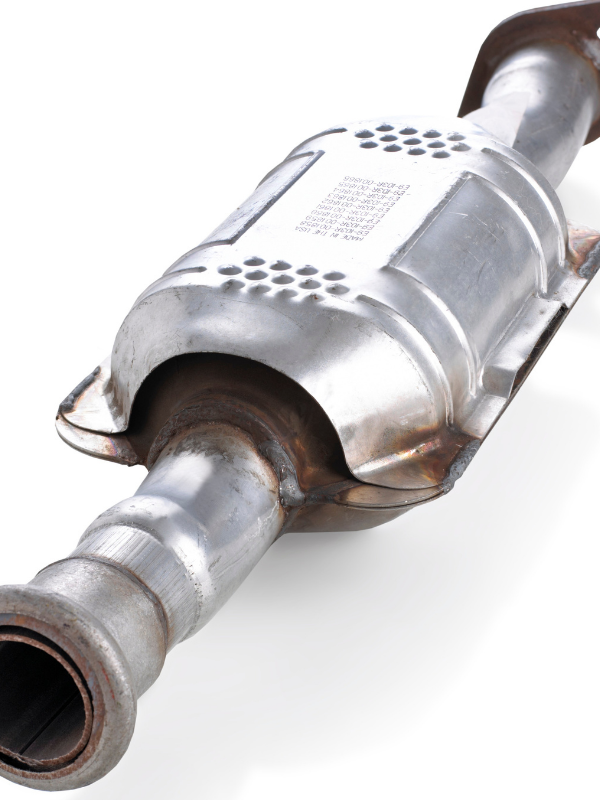
Can You Fix a Catalytic Converter Without Replacing It?
While some issues can be addressed without a full replacement, these solutions are often temporary and limited to specific scenarios. The only permanent repair for a physically damaged or chemically depleted converter is replacement. Our honest service and transparent recommendations mean we will explore all viable options, but we prioritize repairs that ensure the long-term reliability of your vehicle, all backed by our comprehensive service warranty.
Misleading claims about “miracle fixes” can cost you more time and money in the long run. We believe in getting the service right the first time. For a definitive answer on your converter’s condition, let our experts perform a professional inspection.

Addressing Catalytic Converter Clogs and Contamination
A converter can become “clogged” if upstream engine problems, like burning oil or an overly rich fuel mixture, coat the internal catalyst with soot or unburned fuel. In some early-stage cases, resolving the root engine issue can allow the converter to clear itself. However, if the contamination is severe or has resulted in overheating that melts the internal structure, replacement is the only option. Our technicians specialize in diagnosing these related engine concerns, which is critical for owners of precision Japanese and luxury vehicles.
Temporary Fixes and Catalytic Converter Cleaner Products
Fuel additive “catalytic converter cleaners” are marketed as a simple fix, but their effectiveness is extremely limited. These products can sometimes help clean minor carbon deposits from the fuel system and oxygen sensors, which may temporarily turn off a check engine light. However, they cannot repair a melted, broken, or chemically inactive catalyst. Relying on them is a gamble that often masks a more serious underlying problem, and it’s not a strategy we recommend for ensuring your vehicle’s performance and longevity.
Catalytic Converter Repair Costs: What to Expect
The cost to replace a catalytic converter is one of the most significant repairs a vehicle owner can face, often ranging from several hundred to over two thousand dollars. The price varies widely based on the vehicle, the type of converter required, and labor. We provide clear, itemized estimates before any work begins, so you understand exactly what you are paying for. Our focus is delivering dealership-level expertise without the dealership’s inflated pricing structure.
When considering cost, remember that a new, warrantied converter from a trusted shop like GT Automotive protects your engine from damage and ensures you pass Utah’s emissions test for years to come. Ask our service advisors for a detailed quote for your specific vehicle.
Breakdown of Parts and Labor Costs
Converter cost is driven by two main factors: parts and labor. The part itself is expensive due to the precious metals it contains. OEM (Original Equipment Manufacturer) converters, especially for Japanese and luxury brands like Lexus, can be costly but offer a perfect fit and guaranteed performance. High-quality aftermarket converters are a more affordable option that we often recommend. Labor costs are determined by how difficult it is to access and replace the unit, which varies significantly by vehicle model.
Factors Influencing Repair vs. Replacement Costs
Vehicle make and model are the biggest cost drivers. A Nissan NV200, for example, may have a different converter cost and labor time than a Lexus LS or a vintage Toyota Celica. California Air Resources Board (CARB) compliant converters, which are required for some vehicles even in Utah, are also more expensive than standard EPA-compliant parts. Our technicians, including our Lexus factory-trained master mechanics, will identify the exact part your vehicle requires for legal compliance and optimal performance.
Is it Worth Repairing or Replacing a Catalytic Converter?
Replacing a catalytic converter on an older vehicle is almost always a worthwhile investment. A failing converter will prevent you from renewing your vehicle’s registration, and its negative effects on engine performance and fuel economy will only worsen over time. Investing in a proper replacement restores power, improves mileage, and is essential for maintaining your vehicle’s value. Considering the high cost of a new car, a converter replacement is a strategic repair that can help you maintain your car’s value and keep it reliable for many more years.
Preventative Maintenance for Your Catalytic Converter
The best way to avoid a costly converter replacement is through consistent, proactive vehicle maintenance. A healthy engine is the best defense for a long-lasting catalytic converter. Issues like misfires, contaminated fuel, or faulty oxygen sensors can destroy a new converter in a matter of months. By adhering to your vehicle’s factory-scheduled maintenance, you protect your entire emissions system.
Tips to Extend the Life of Your Converter
To maximize converter longevity, address any check engine light immediately. Use high-quality fuel and perform regular oil changes to prevent engine deposits. Ensuring your ignition system, including spark plugs and coils, is in top condition will prevent unburned fuel from reaching the converter. Following a consistent service schedule is particularly important for owners of specialized imported cars, whose systems are finely tuned.
Understanding Warranty and Aftermarket Options
By federal law, original catalytic converters are warrantied for 8 years or 80,000 miles. If your vehicle is outside this window, you will be responsible for the replacement cost. We offer high-quality aftermarket converters that meet EPA standards and come with their own manufacturer warranty. Furthermore, all repairs performed at GT Automotive are backed by our own service warranty, giving you dual protection and peace of mind on the road.

FAQs on catalytic converter repair
How much does it cost to repair a catalytic converter?
A full replacement, which is the most common and reliable service, can cost anywhere from $800 to over $2,500. The final price depends on your vehicle’s make and model, whether an OEM or aftermarket part is used, and labor time. We provide a transparent, detailed estimate after our initial diagnosis.
Can you fix a catalytic converter without replacing it?
In most cases, no. While chemical cleaners may temporarily help with minor efficiency issues, they cannot fix a converter that is physically broken, melted inside, or has lost its chemical effectiveness. Replacement is the only permanent solution for a failed converter.
Is a catalytic converter worth fixing?
Yes. A functioning catalytic converter is legally required to pass emissions testing and register your vehicle in Utah. It also directly impacts your engine’s health and fuel economy. Replacing it is a critical repair that protects your vehicle’s long-term reliability and value.
How does Utah's altitude affect catalytic converters?
The high altitude along the Wasatch Front means there is less oxygen available for combustion. Modern engine computers compensate for this, but any underlying issue can lead to a rich fuel mixture. This unburned fuel can overheat and damage the catalytic converter over time, making routine engine check-ups even more important for South Jordan drivers.
What if my check engine light comes on while driving on I-15?
A steady check engine light is not an immediate emergency, but a flashing light indicates a severe misfire that can quickly destroy your catalytic converter. If the light flashes, reduce your speed and drive to a safe location or shop as soon as possible. Continuing to drive can cause thousands of dollars in damage. Call us for advice if you are unsure.
Why is an OEM converter so much more expensive for my Lexus?
OEM converters for luxury and Japanese brands like Lexus are engineered to the exact specifications of the vehicle’s complex engine management system. While high-quality aftermarket options are available, our Lexus factory-trained technicians often recommend the OEM part to ensure seamless communication with vehicle sensors and peak performance.
Professional Catalytic Converter Repair and Replacement Services
When your vehicle fails an emissions test or shows signs of a failing converter, you need expert vehicle repair from a team you can trust. GT Automotive has provided honest service and precision auto repairs to South Jordan and Salt Lake County drivers since 1980. We don’t just replace parts; we perform advanced diagnostics to fix the root cause, protecting your investment and ensuring your peace of mind on the road.
Our specialization in Japanese, vintage, and luxury vehicles means we have the expertise to service your car correctly. All our work is backed by a comprehensive warranty. Trust our ASE-Certified and Lexus factory-trained master technicians to restore your vehicle’s performance and ensure it runs cleanly for years to come.
Experience the difference that expert GT Automotive shocks & struts service makes. Our ASE-certified technicians are ready to diagnose your suspension and get you back on the road with confidence. Stop searching for shocks & struts service near me and visit the local experts who treat every car as if it were their own. Schedule your appointment online or call us today to experience the best shocks & struts services in the area.
GT Automotive - Reputable Auto Shop Near You
Don’t let a check engine light cause you stress or lead to more expensive issues down the road. Our team combines decades of experience with a commitment to transparent recommendations. We are equipped to handle the unique needs of your vehicle, from a daily driver to a prized vintage import. For dealership-level expertise you can rely on, choose GT Automotive.
Call us today or schedule an appointment online for an expert diagnostic and a clear, honest repair estimate.