
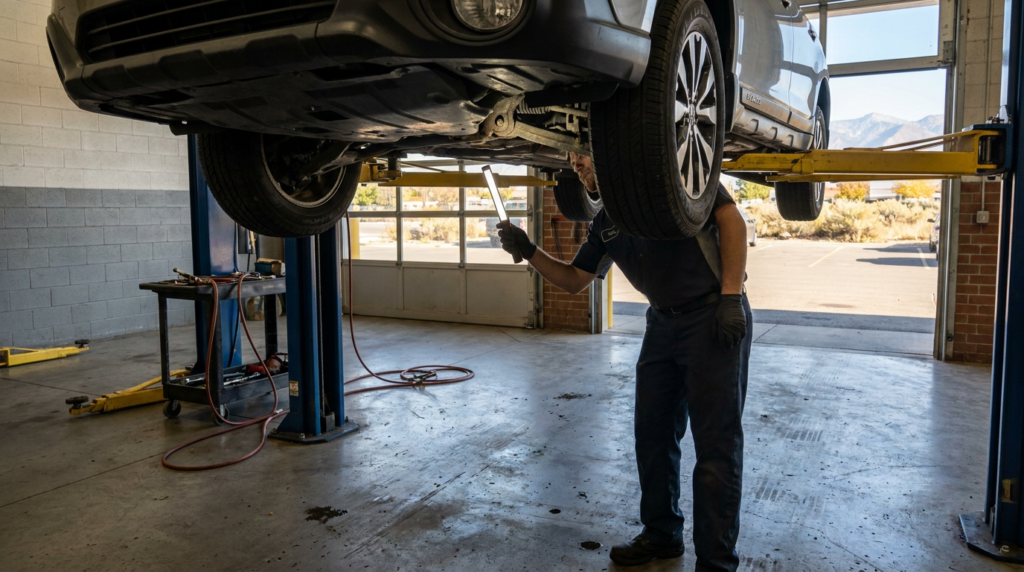
A slow start on a freezing morning is a reason to check your car, not proof its trade-in value has dropped. Winter maintenance can help preserve condition and address problems that may affect an appraisal. The offer still depends on age, mileage, equipment, market demand, and the appraiser’s assessment.
We recommend focusing on documented maintenance and diagnosed problems, rather than buying extra services just because winter has arrived.
Condition matters more than a stack of receipts
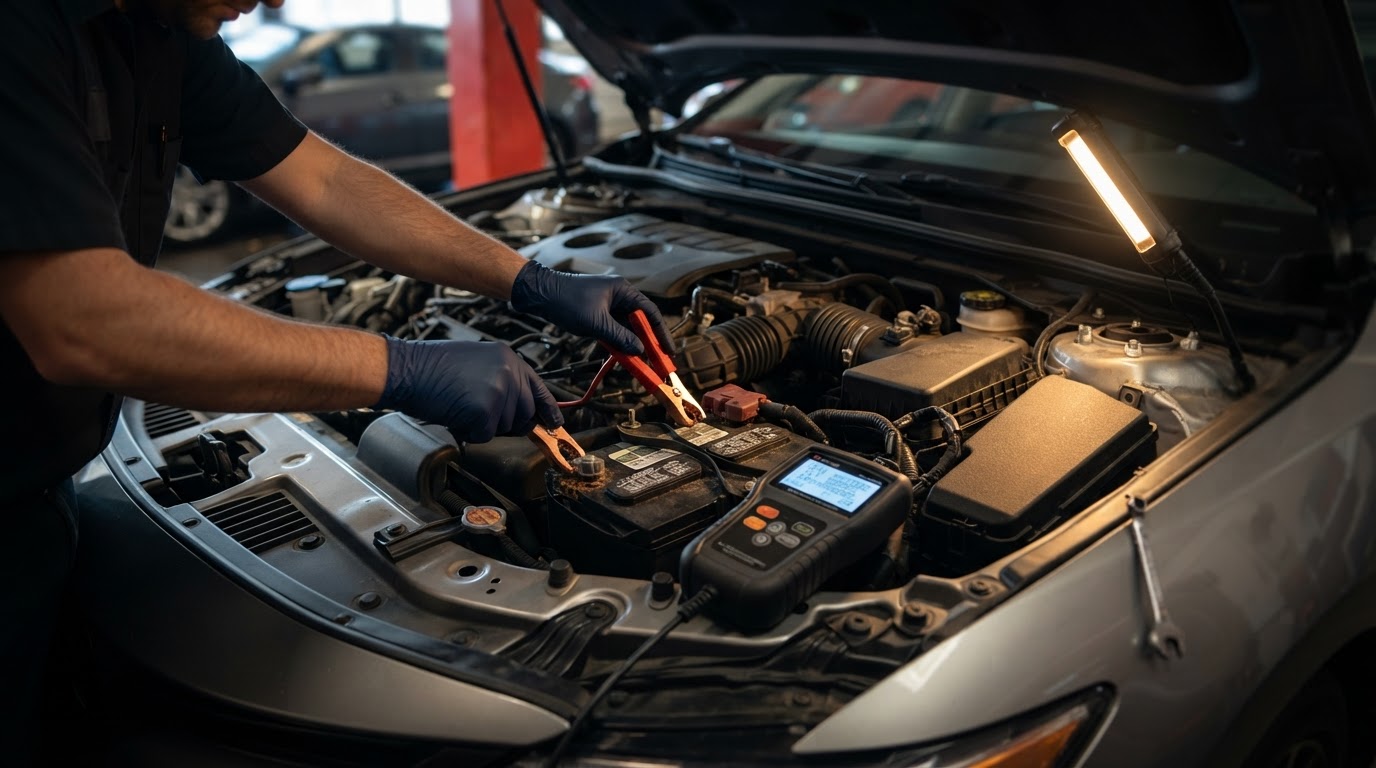
Maintenance records support your car’s history, but they don’t replace its current condition. An invoice for a battery replacement says what happened then. It doesn’t establish how the battery, charging system, or electrical connections perform today.
The useful goal is to address wear and unresolved faults while keeping a clear record of the work. A heater problem or persistent warning light deserves attention because something needs diagnosis. Its possible effect on a future offer is secondary.
We would prioritize safe operation over cosmetic spending before a trade-in. For an expensive, nonurgent repair, get a diagnosis and compare the repair estimate with an appraisal that acknowledges the problem. Don’t assume every repair dollar comes back in the offer.
Your ownership plans matter, too. Maintenance that makes sense for several more winters may not make financial sense solely to prepare for an appraisal next week.
Remove road salt without hiding problems
Removing winter road residue can help reduce prolonged salt contact with exposed metal. Treat washing and detailing as general ownership care, separate from mechanical maintenance. A clean vehicle still needs inspection for existing damage.
Choose a wash method suitable for your vehicle and the weather. Follow the owner’s manual for cleaning restrictions, especially around cameras, electrical connections, and damaged finishes. Avoid directing high-pressure water at seals or exposed connectors.
Pay attention to wheel wells and accessible underside areas where slush collects. There’s no universal washing schedule for every driver. Recent exposure to treated roads is more useful than a rigid calendar rule.
Existing corrosion needs assessment, not concealment. Don’t cover questionable areas with a coating just before an appraisal. Ask a qualified professional to assess exposed finish damage and any corrosion that appears extensive.
Inside the car, remove wet debris from floor mats and dry persistent dampness. Recurring moisture deserves investigation rather than another layer of fragrance. Cleanliness helps present the car’s actual condition; it cannot establish mechanical health.
Test the battery before replacing it
Cold reduces a battery’s available starting power and can expose an already weakened battery. Heat also contributes to battery deterioration. That’s why a winter starting problem should lead to testing, not an automatic replacement based on the season.
A slow crank can involve the battery, cable connections, or the starter. Repeated discharge can also point to charging trouble or electrical demand while the car is parked. Replacing the battery alone may leave the original fault unresolved.
A useful evaluation considers the battery’s condition alongside the starting and charging systems. Give the technician details about the symptom:
- Does the engine crank slowly, or does nothing happen?
- Does the problem follow overnight parking or several unused days?
- Does a jump-start change the behavior?
Keep any test results with the repair invoice. They document what was checked at that visit, not a prediction of remaining battery life.
If the vehicle requires a specific battery type or replacement setup procedure, follow those requirements. The lowest-priced battery is not a useful comparison unless its fit and specifications match.
Check fluids by specification, not by season
Winter is a reason to review fluid condition and service history, not to replace every fluid. The manufacturer’s schedule, correct fluid specification, and inspection findings should guide the work. A blanket exchange can add expense without addressing the actual concern.
Coolant needs more than a color check
Coolant provides freeze protection and carries heat through the engine’s cooling system. Its color alone doesn’t establish compatibility or condition. A technician can check the level, inspect for leaks, and evaluate freeze protection using appropriate equipment.
Repeatedly adding coolant is a symptom to investigate. Don’t open a hot cooling system, and don’t choose replacement coolant by color alone. Different formulas can share a similar appearance.
Hoses and belts also deserve inspection for deterioration, leaks, and other damage. Replacement decisions should follow condition and scheduled requirements, rather than an assumption that every older rubber part needs replacement before winter.
Use the schedule that matches your driving
Frequent short trips may fall under a manufacturer’s more demanding maintenance schedule. Check the wording for your model rather than borrowing an interval from another vehicle. Time-based requirements can still apply when mileage stays low.
Use the specified engine oil viscosity, which describes how the oil flows. Don’t switch to a thicker grade simply because the car is older. Our guide to important fluids to check in your car explains the systems worth reviewing.
Keep the fluid specification on the invoice where available. That detail is more useful than a receipt that only says fluids serviced.
Inspect tires, brakes, and suspension together
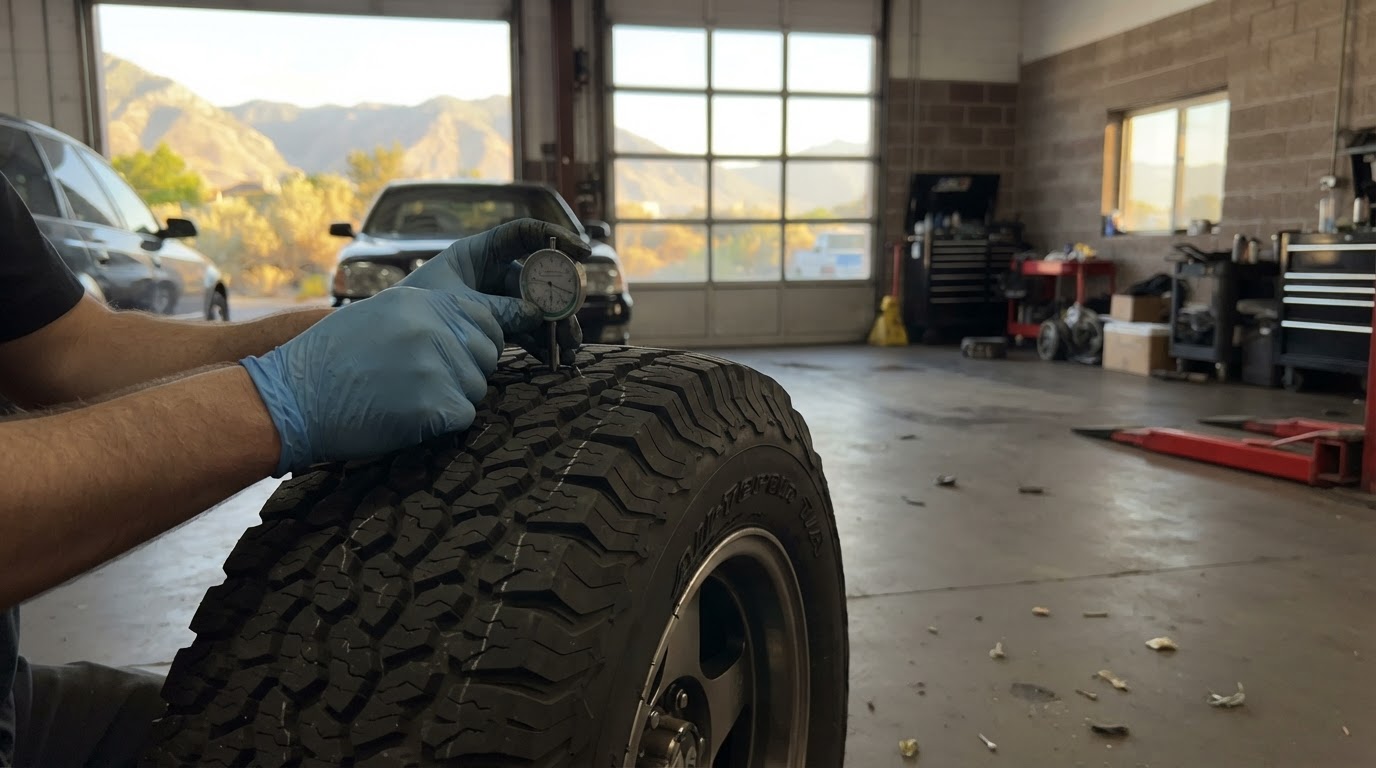
Tire wear can reveal a problem that replacing tires alone won’t address. Uneven wear deserves a look at pressure, alignment, and suspension condition. A new set of tires may wear unevenly again if the underlying issue remains.
Check pressure when tires are cold, using the vehicle placard as the reference. The maximum pressure on a tire’s sidewall is not the vehicle’s recommended setting. A pressure warning that returns after adjustment needs further investigation.
For all-wheel-drive vehicles, follow the manufacturer’s requirements for tire size and allowable wear differences. Seasonal tire-change receipts document a change. They do not prove that the drivetrain avoided stress or damage.
Our guide to maintaining and servicing all-wheel-drive vehicles covers why vehicle-specific requirements matter.
Brake and suspension inspections should look for corrosion, wear, damaged protective boots, and sticking parts. Boots are flexible covers that keep contaminants away from certain joints and moving components. A split boot is a reason for closer inspection.
Lubrication must follow the requirements of the individual component. Some joints are sealed, and brake friction surfaces must stay free of lubricant. Blanket advice to grease every bushing or suspension part is wrong.
Winter tires are a traction decision, not a promised trade-in premium. Consider your driving conditions, storage space, and the vehicle’s requirements before choosing a separate seasonal set.
Diagnose weak heat before authorizing parts
Weak cabin heat can have several causes, including low coolant, blower faults, or a temperature-door problem. A temperature door controls how air moves through the heating system. Thermostat and heater-core faults are other possibilities, not automatic conclusions.
The symptom helps narrow the investigation. Strong airflow that stays cold points toward a different set of checks than almost no airflow. Heat that changes with engine speed also gives the technician useful information.
Write down when the problem happens and whether the engine temperature reading changes. Note unusual smells or dampness inside the cabin. These observations support diagnosis without requiring you to identify the failed part.
Don’t approve a cooling-system flush solely because the heater feels weak. A flush won’t address a failed blower or a stuck temperature door. The recommended repair should connect to a confirmed finding.
Defrosting is a visibility issue, not merely a comfort feature. If you cannot maintain a clear windshield, stop somewhere safe rather than continuing with obstructed vision.
Driving less still requires a maintenance plan
Parking through winter reduces mileage, but it doesn’t pause every maintenance requirement. A parked vehicle can lose battery charge, and tire pressure still needs attention. Short, occasional starts are not a substitute for a storage plan.
Repeated brief engine runs may not restore the charge used during starting. They may also end before the engine reaches normal operating temperature. Follow the manufacturer’s storage guidance rather than starting the car for a few minutes on a fixed schedule.
For longer storage, ask about a battery maintainer compatible with the vehicle and battery. Hybrids have model-specific requirements, so don’t assume advice for a conventional gasoline vehicle covers every system.
When you do drive, leave enough space to brake gradually and avoid potholes only when it’s safe. After a hard impact, new vibration or pulling deserves inspection. Don’t treat those changes as normal winter behavior.
Compare maintenance spending before a trade-in
The strongest spending decision starts with a documented need, not a seasonal sales label. Separate required maintenance from symptoms needing diagnosis and optional presentation work. Each serves a different purpose, and none establishes what an appraiser will offer.
| Option | When it makes sense | Evidence to use | Tradeoff before trading in |
|---|---|---|---|
| Manufacturer-scheduled maintenance | A service is due by time or mileage | Owner’s manual and previous invoices | Documents scheduled care, but spending is not an appraisal credit |
| Diagnosis of a current symptom | Slow starting, weak heat, vibration, or a warning light | Test findings and an itemized estimate | Involves diagnostic expense before the repair decision |
| Replacement of worn components | Inspection identifies wear or a failed part | Measurements, photographs, or test results | Compare nonurgent repair costs with an appraisal acknowledging the issue |
| Cleaning and detailing | Salt residue, dirt, or cabin debris needs removal | Visible condition and cleaning instructions | Addresses presentation, not mechanical faults |
We would diagnose an active warning light before spending on appearance. Knowing the fault gives you a basis for deciding what to repair. Clearing diagnostic trouble codes, the computer’s stored fault information, is not a repair.
A tow also doesn’t automatically establish damage or a lower value. Vehicle-history reports may omit events or service work. Keep your own records rather than treating a report as a complete account.
Make service records useful
A useful invoice identifies the vehicle, date, mileage, and work performed. Keep inspection findings alongside completed repairs so you can distinguish recommendations from finished work. A recommendation on an old invoice doesn’t show that the job was done.
Organize records chronologically, keeping warranty information with the relevant repair. Digital copies are practical, especially when printed receipts fade. Before sharing paperwork with a buyer, remove payment details and unrelated personal information.
At GT Automotive, our ASE-certified mechanics and factory-trained Lexus technicians bring relevant training to vehicle-specific maintenance decisions. The useful question is still concrete: what finding supports this recommendation?
All diagnostics, estimates, and safety inspections are provided with upfront, transparent explanations before any repair work commences.
Frequently Asked Questions
Does winter maintenance require changing every fluid?
No, winter maintenance does not require a blanket fluid exchange. Use the manufacturer’s schedule and inspection findings to decide which services are due. Coolant protection, fluid compatibility, and leak checks matter more than a seasonal package name. Ask what condition or scheduled requirement supports each proposed service.
Should weak heat lead straight to a coolant flush?
No, weak heat needs diagnosis before a flush or parts replacement. Low coolant, blower trouble, and temperature-door faults can produce different heating complaints. Describe airflow strength and when the temperature changes. Those details help direct testing toward the cause rather than a service that may not address it.
Can service records replace a mechanical inspection?
No, service records document past work rather than present condition. An inspection examines current wear, leaks, and other concerns. Keep both types of evidence when available. Together, they can help explain the vehicle’s care and repair needs without assigning a dollar value to each completed service.
What should I bring to a winter maintenance appointment?
Bring recent service records and a brief description of any symptoms. Include when the problem occurs, such as after overnight parking or during braking. Tell the service advisor if a trade-in is approaching. That context helps separate immediate concerns from longer-term maintenance planning without skipping safety needs.
The Bottom Line
- Winter care can help preserve condition, but an appraisal weighs more than maintenance history.
- Test symptoms before replacing parts, and follow the manufacturer’s maintenance requirements.
- Keep clear records without treating receipts as proof of current mechanical health.
Start with what your vehicle needs now, then weigh elective spending against how long you plan to keep it.
Plan winter care around your car
For help prioritizing winter maintenance, call GT Automotive at (801) 695-9092.
Related Reads
- 7 Tips for Maintaining Your Car’s Value – GT Automotive – Auto Repair Shop in South Jordan
- Keeping Your ‘Old Faithful’ Auto Running – GT Automotive – Auto Repair Shop in South Jordan
- Winterizing Your Car | GT Automotive
- 7 Easy Tips for Maintaining Your Idle Car – GT Automotive – Auto Repair Shop in South Jordan